

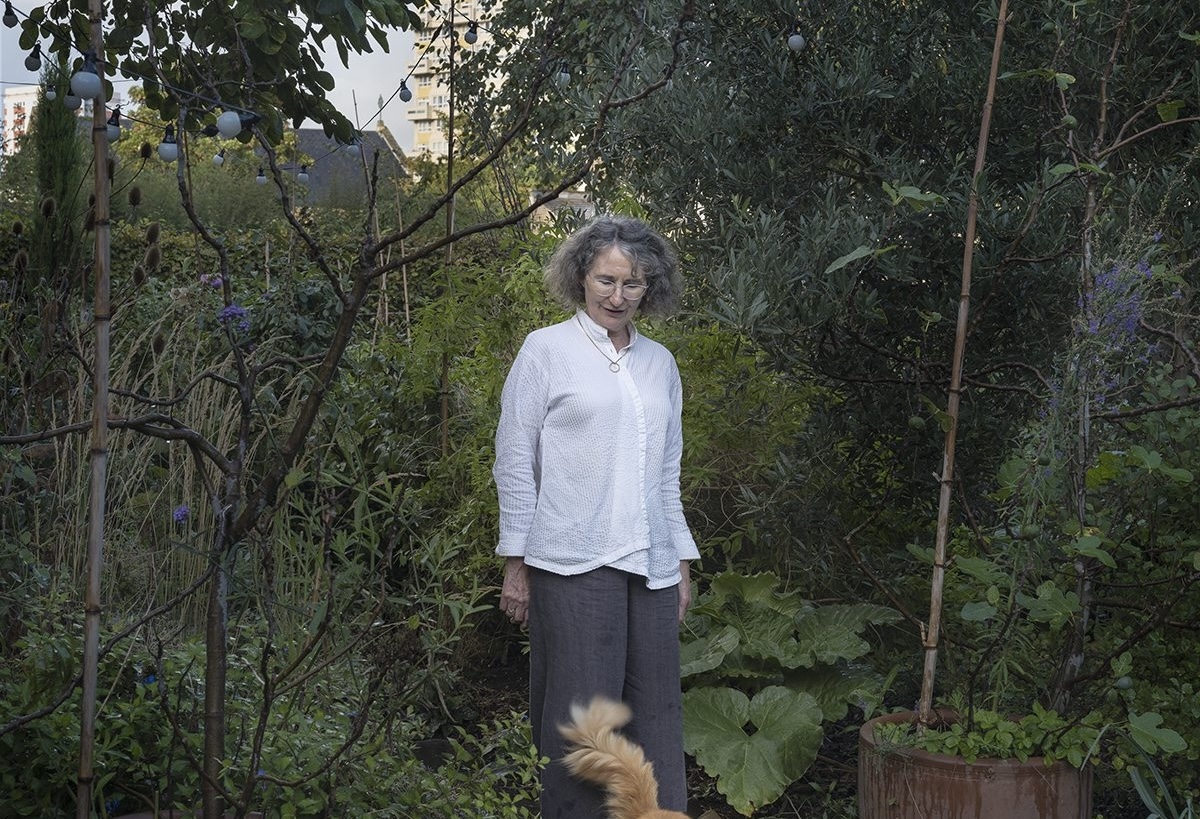
Julia Barfield will share insights and experience from a career spent designing, delivering – and helping to secure funding for – pioneering projects for ambitious clients at a free-to-attend seminar on the morning of Tuesday 27th October at the Building Centre in central London as part of RD26.
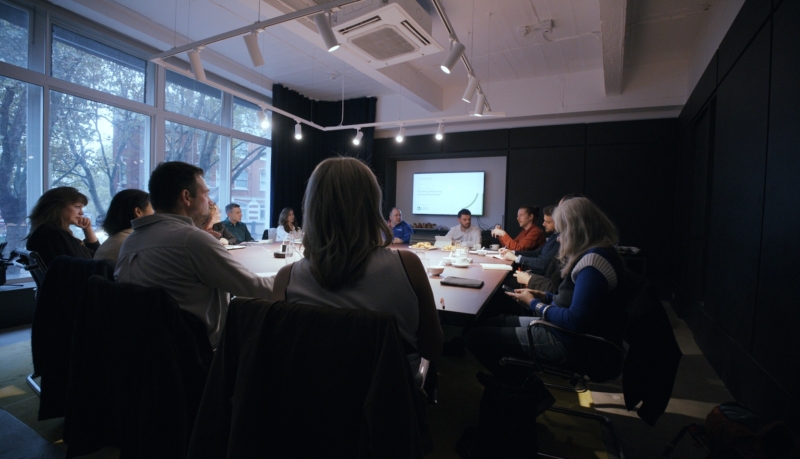
Circularity and closed loop design
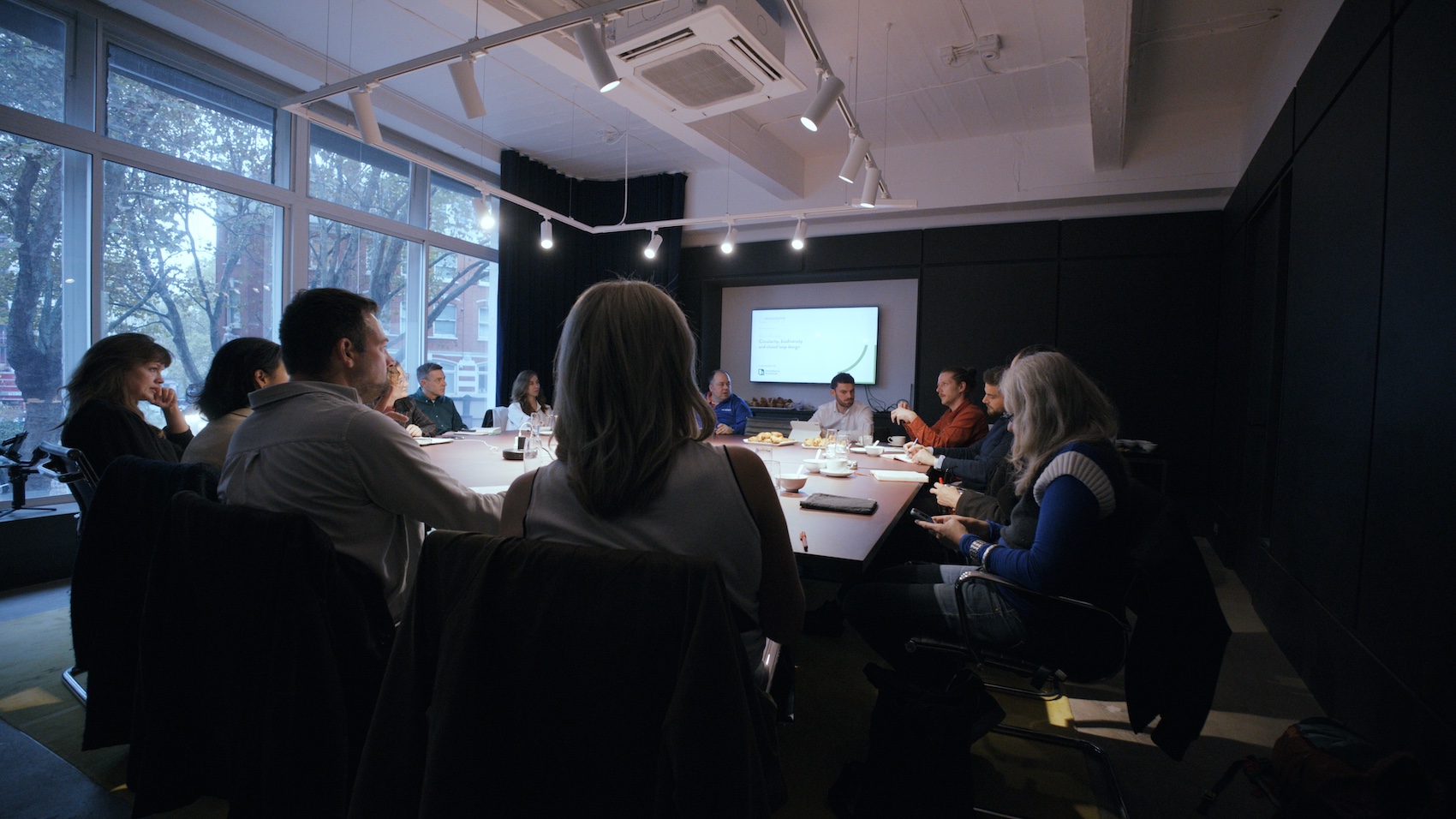
As part of Regenerative Design 2026, Architecture Today, in partnership with Heidelberg Materials, hosted a round table discussion exploring the barriers to closed loop design and the opportunities for systemic change.

AT Webinar: Submitting smarter planning applications
Join us on Wednesday 18th November to discover how Planning Portal's new AI-powered Application Check tool can help architects identify potential issues with planning applications before submission, reducing avoidable validation issues and the need for further rework.
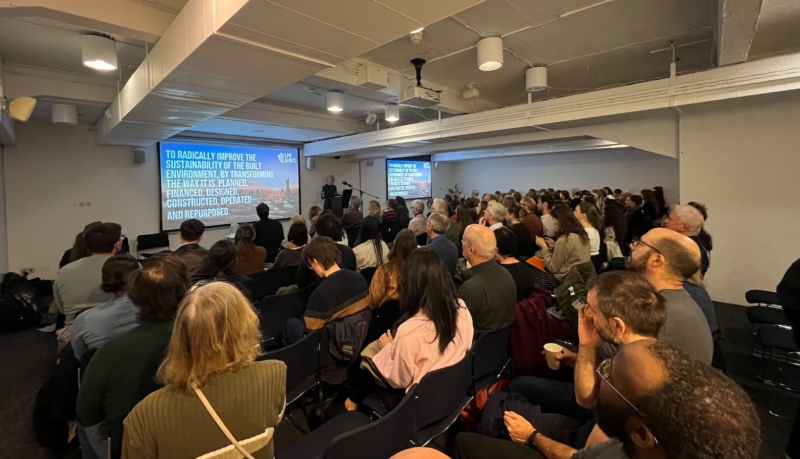
Specifying natural and sustainable materials: Anna Hollyman on driving systemic change at RD26
Anna Hollyman, Co-Director of Policy and Industry Intelligence at UKGBC, sets out why scaling the use of natural and sustainable materials demands a coordinated approach to policy, procurement, skills and supply chains. Watch Anna's talk in full here.
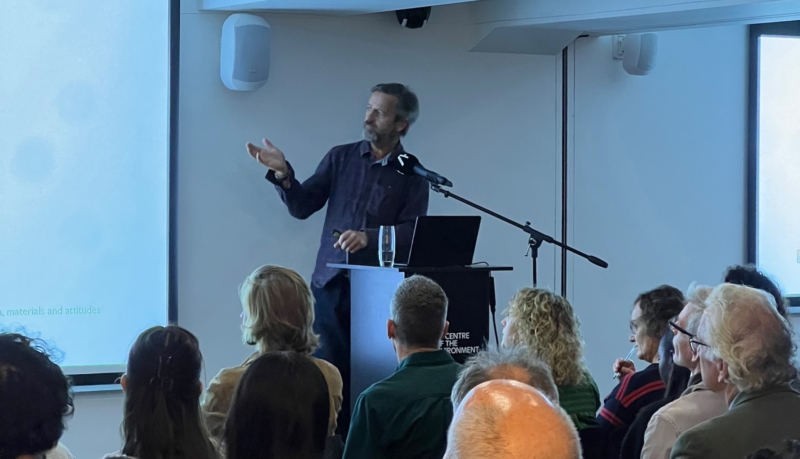
Specifying natural and sustainable materials: Rowland Keable on the potential of earth at RD26
Rowland Keable, Director of Rammed Earth Consulting, makes the case for earth as an overlooked construction material, demonstrating how locally-sourced clay and soil can create durable, adaptable and genuinely circular buildings. Find out more by watching Rowland's talk here.
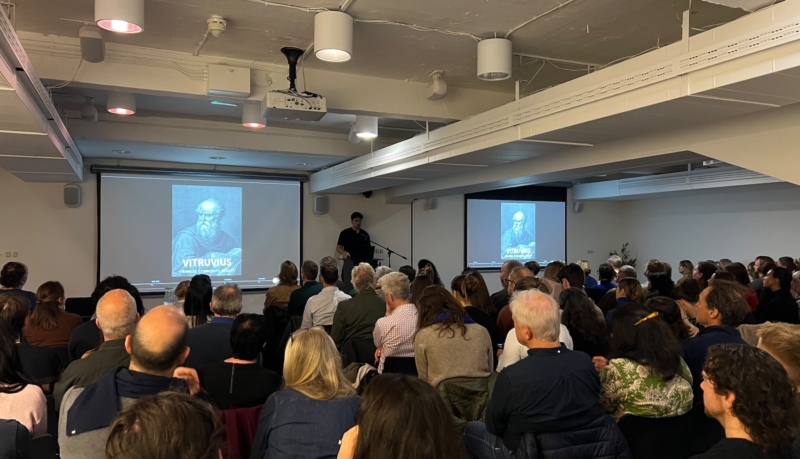
Specifying natural and sustainable materials: Jordan Panayi on building with structural stone
Jordan Panayi, Part II Architectural Assistant at Groupwork, explores how structural stone and timber can replace carbon-intensive construction systems, drawing on the practice's experience of designing and delivering buildings with natural materials. Watch Jordan's talk here.
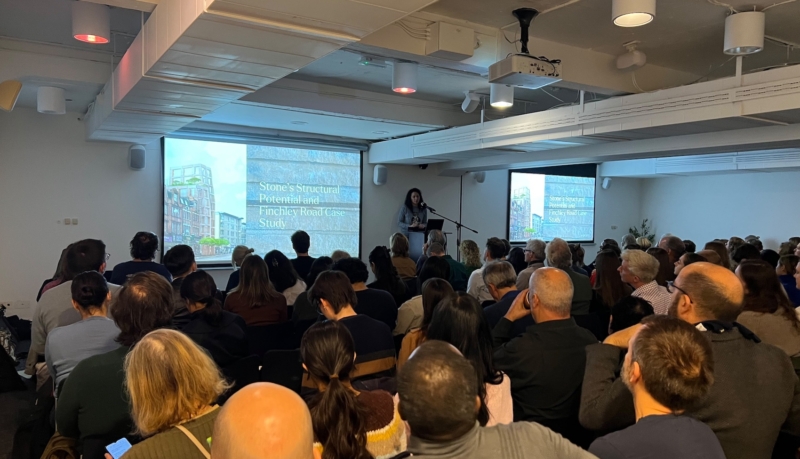
Specifying natural and sustainable materials: Eleonora Regni on engineering with stone at RD26
Eleonora Regni, Associate at Webb Yates Engineers, examines the structural potential of natural stone, explaining how innovative engineering can reduce embodied carbon without compromising performance. Find out more by watching Eleonora's talk here.

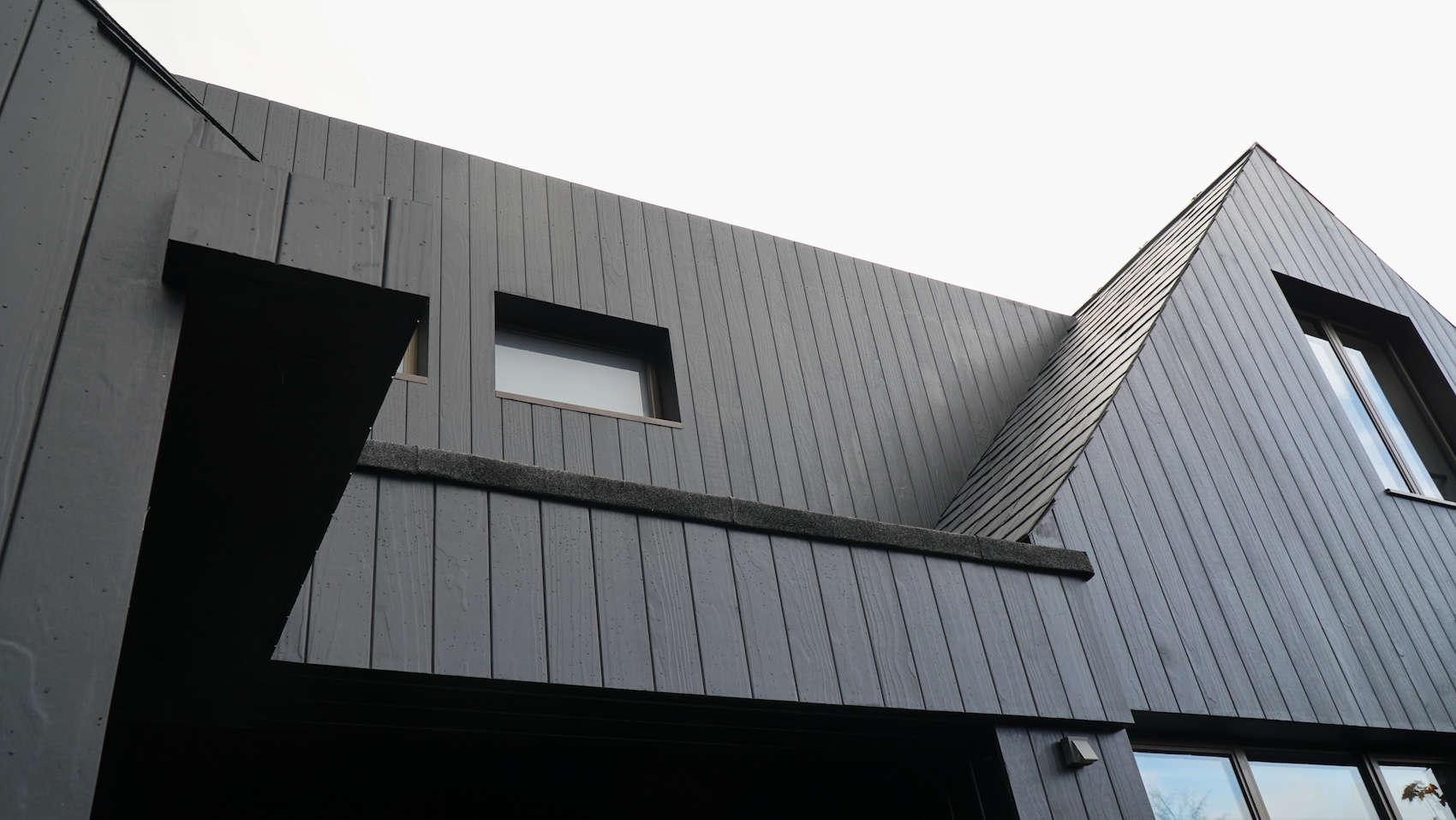
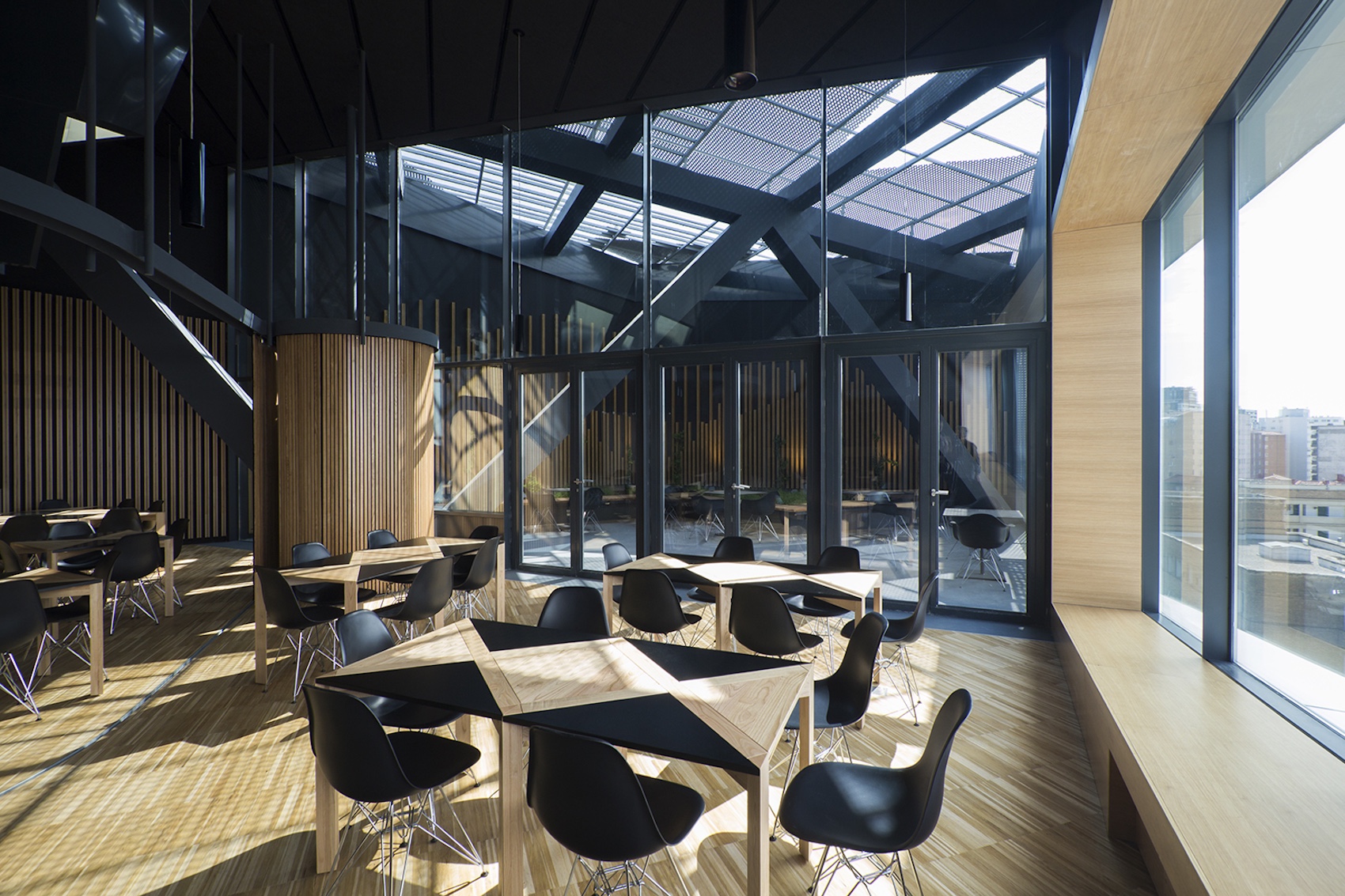
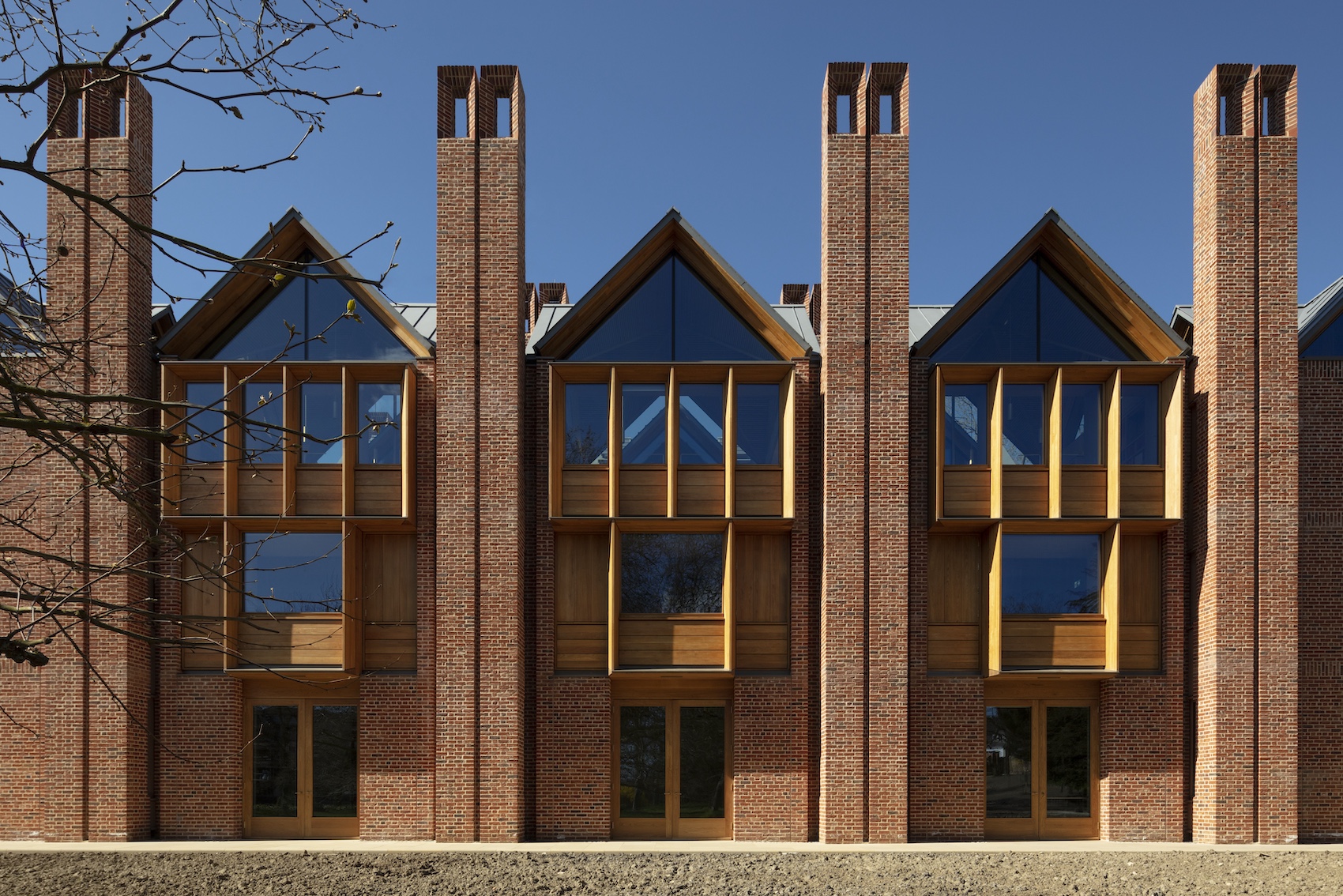
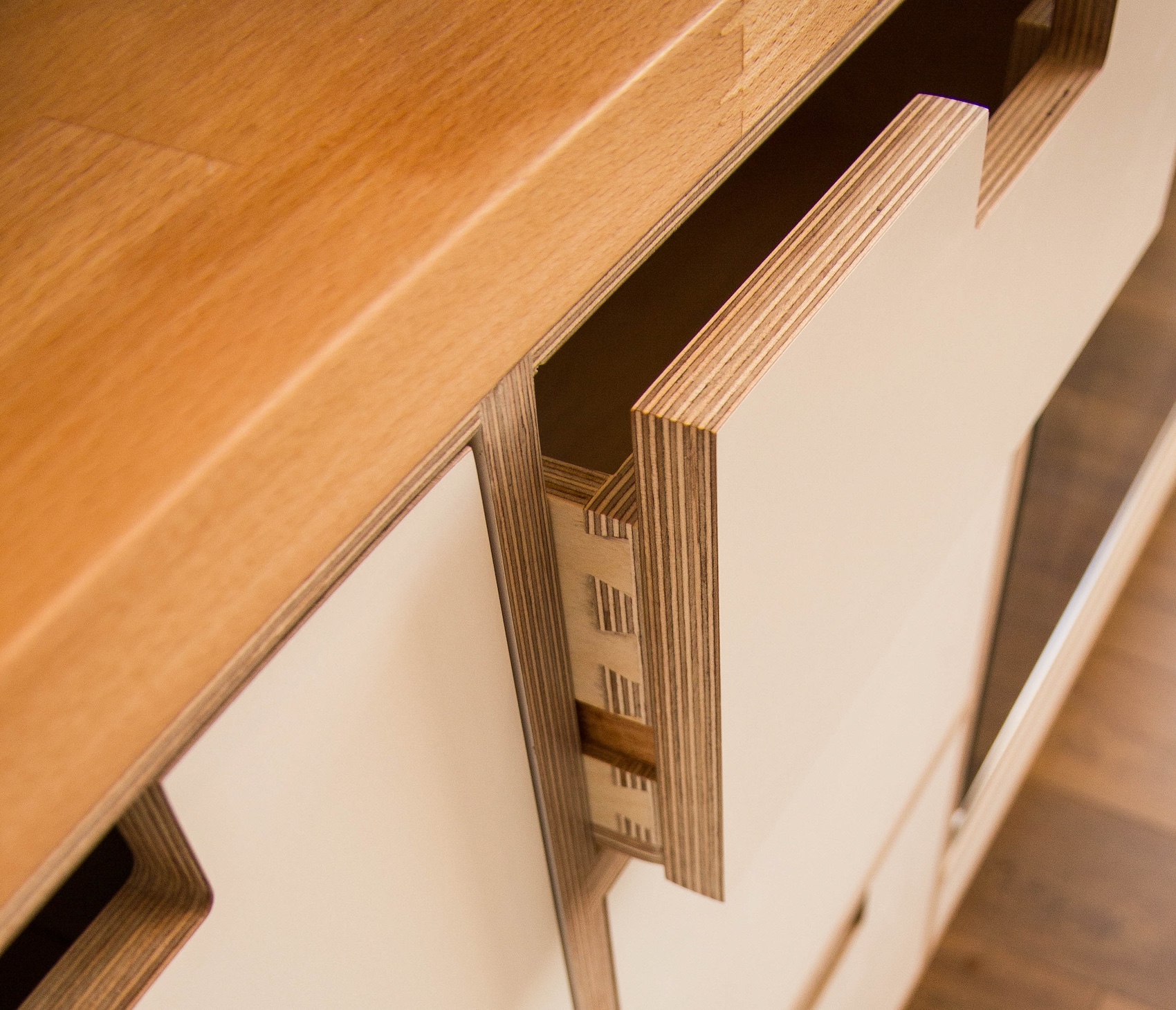


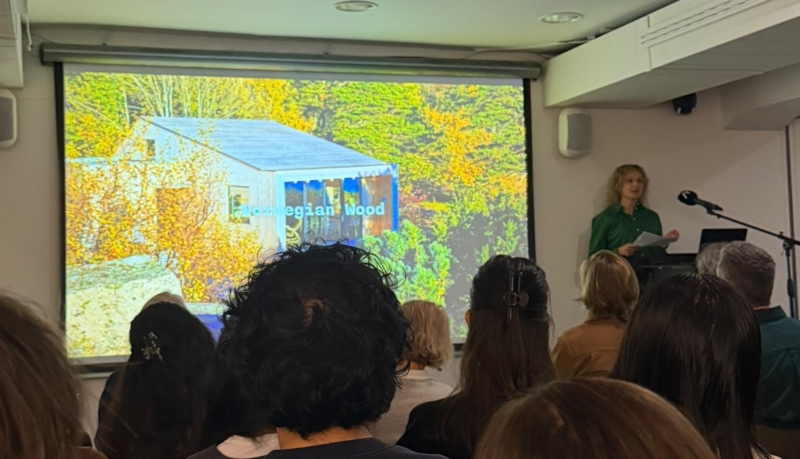
Specifying natural and sustainable materials: Siri Zanelli on making natural materials work in practice
Siri Zanelli, Founding Partner of Collective Works, shares practical lessons from specifying natural materials, exploring how architects can overcome barriers relating to cost, regulation, construction methods and client expectations. Watch Siri's talk in full here.
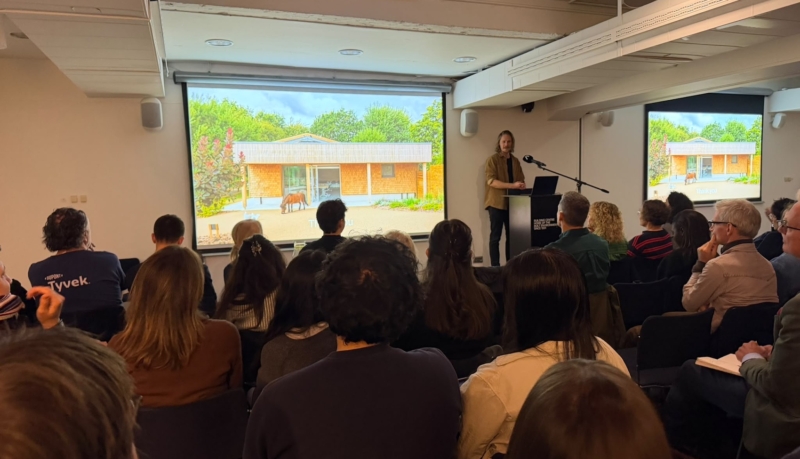
Specifying natural and sustainable materials: Lee Fox on putting circular construction into practice
Lee Fox, project architect at BakerBrown Studio, shares lessons from the Bradbury Den project, showing how material reuse, straw bales, and locally-sourced earth can be incorporated into a modestly funded education building. Watch Lee's talk here.
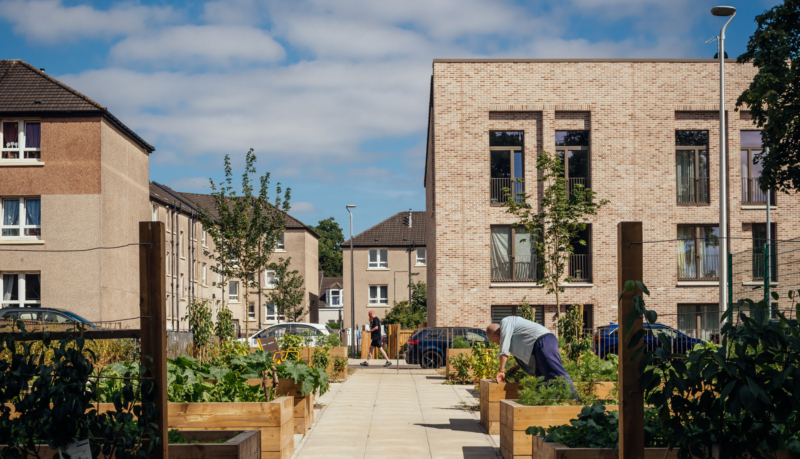
Altyre Street
Page\Park’s affordable housing development for Tollcross Housing Association transforms a vacant brownfield site in Glasgow’s East End into a new residential neighbourhood, with 42 homes arranged around a pedestrian-friendly street and shared green spaces.
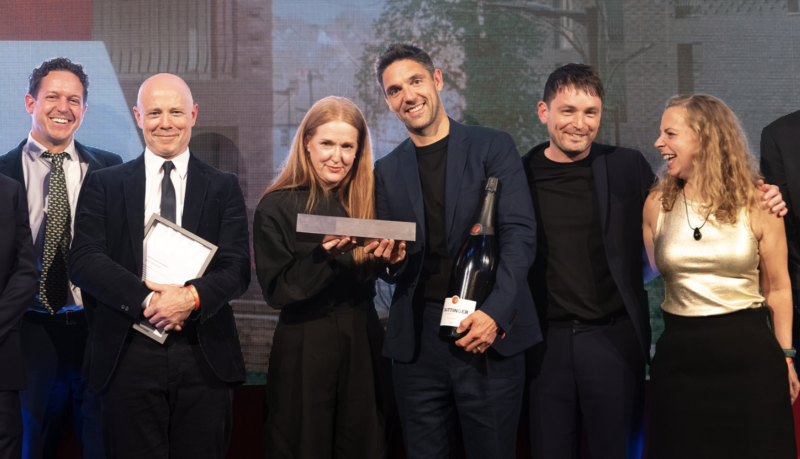
Mary Duggan and Paul Ruff reflect on Stirling Prize win
Following Lion Green Road's 2026 RIBA Stirling Prize win, Mary Duggan and Paul Ruff reflect on the importance of generous, affordable housing and the wider lessons the project offers for the profession.
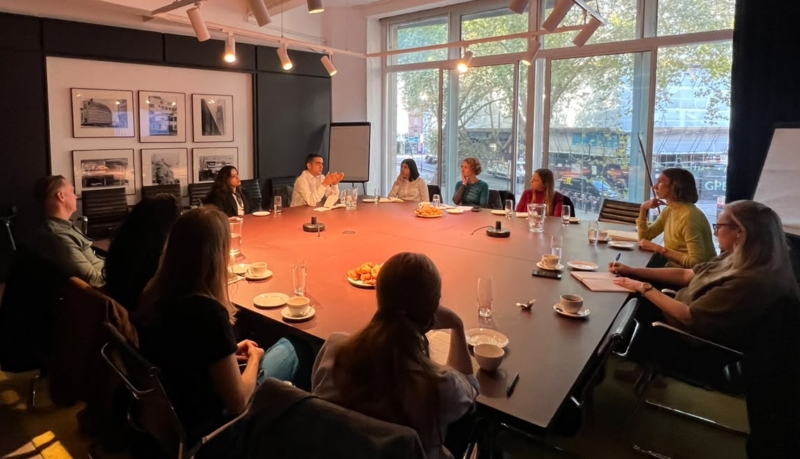
Circularity and intelligent specification
Forming part of Regenerative Design 2026, Architecture Today, in partnership with Interface, hosted a round table discussion exploring how circular design, material reuse and more intelligent specification can become standard practice across the construction industry.
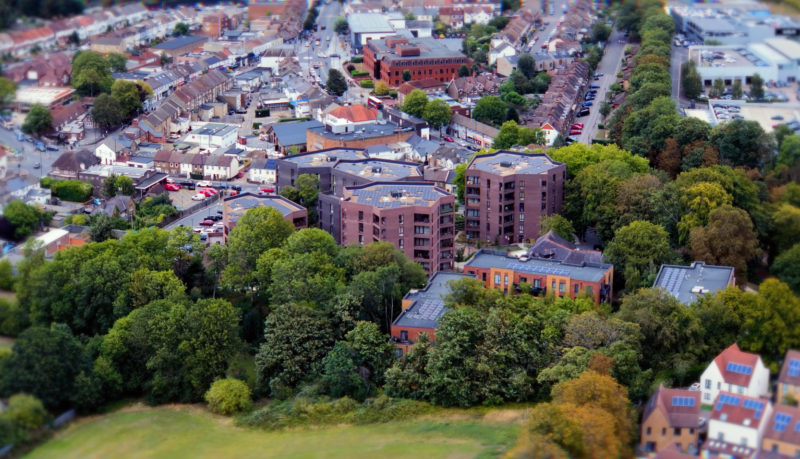
Lion Green Road wins the 2026 RIBA Stirling Prize
Lion Green Road, a council-commissioned housing scheme in South London by Mary Duggan Architects with RUFFARCHITECTS, has won the 2026 RIBA Stirling Prize.
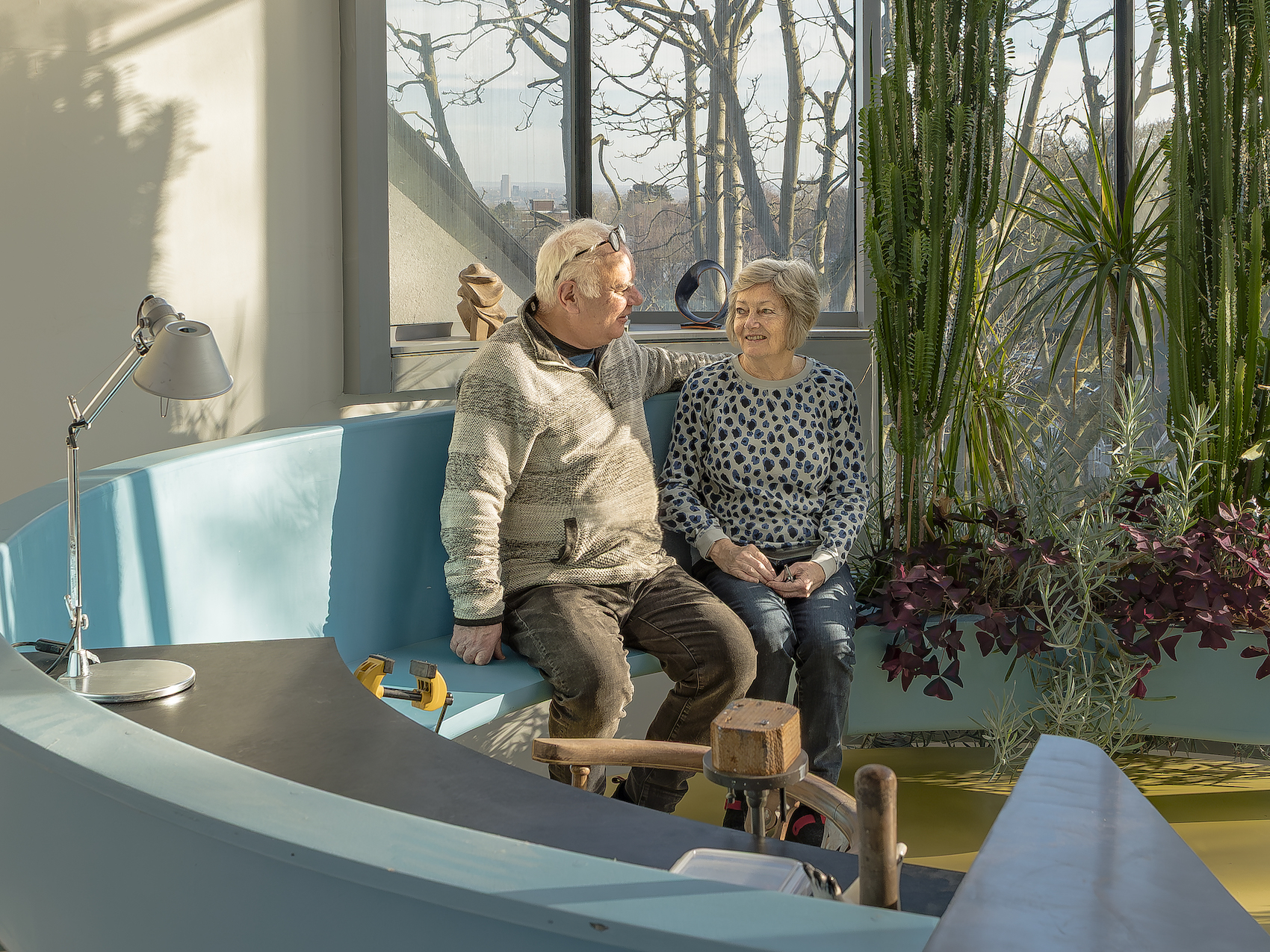



Free RD26 Seminar: Help the client – beyond business as usual
Leading names from across the industry ask how architects can help clients to realise regenerative ambitions and overcome the systemic barriers to collaborative design at a free-to-attend RD26 event on Tuesday 27th October, delivered in partnership with HDR.
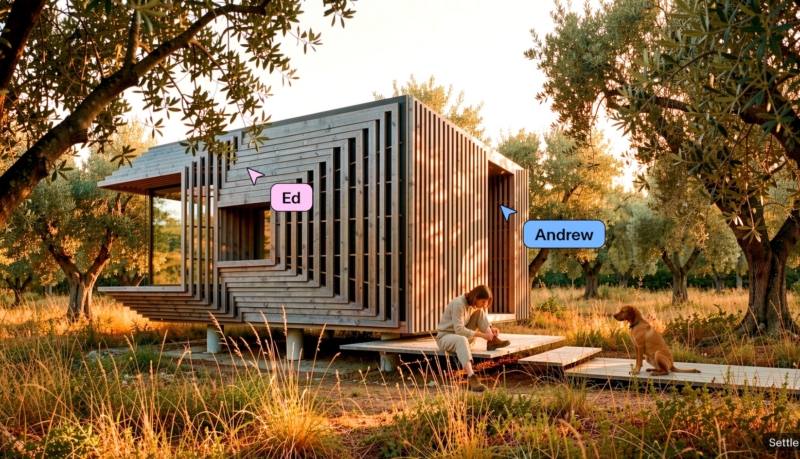
Ask the expert: AI and architectural visualisation
George Proud, CEO of Gendo, answers readers’ questions on how AI is transforming architectural visualisation, opening up creative opportunities for practices of all sizes while keeping architects in control of the design.
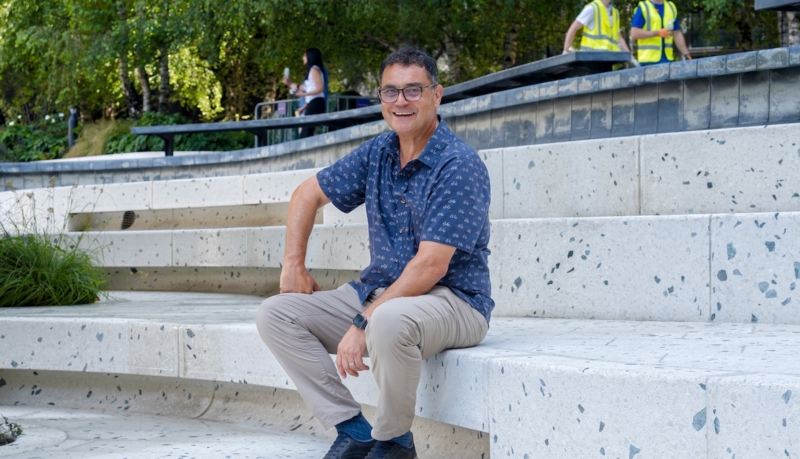
Making materials matter
In Opera Group Co-founder and Director Enzo Favro talks to AT about supporting Regenerative Design 2026, developing more sustainable materials, and the need for clearer standards and closer collaboration across the construction supply chain.
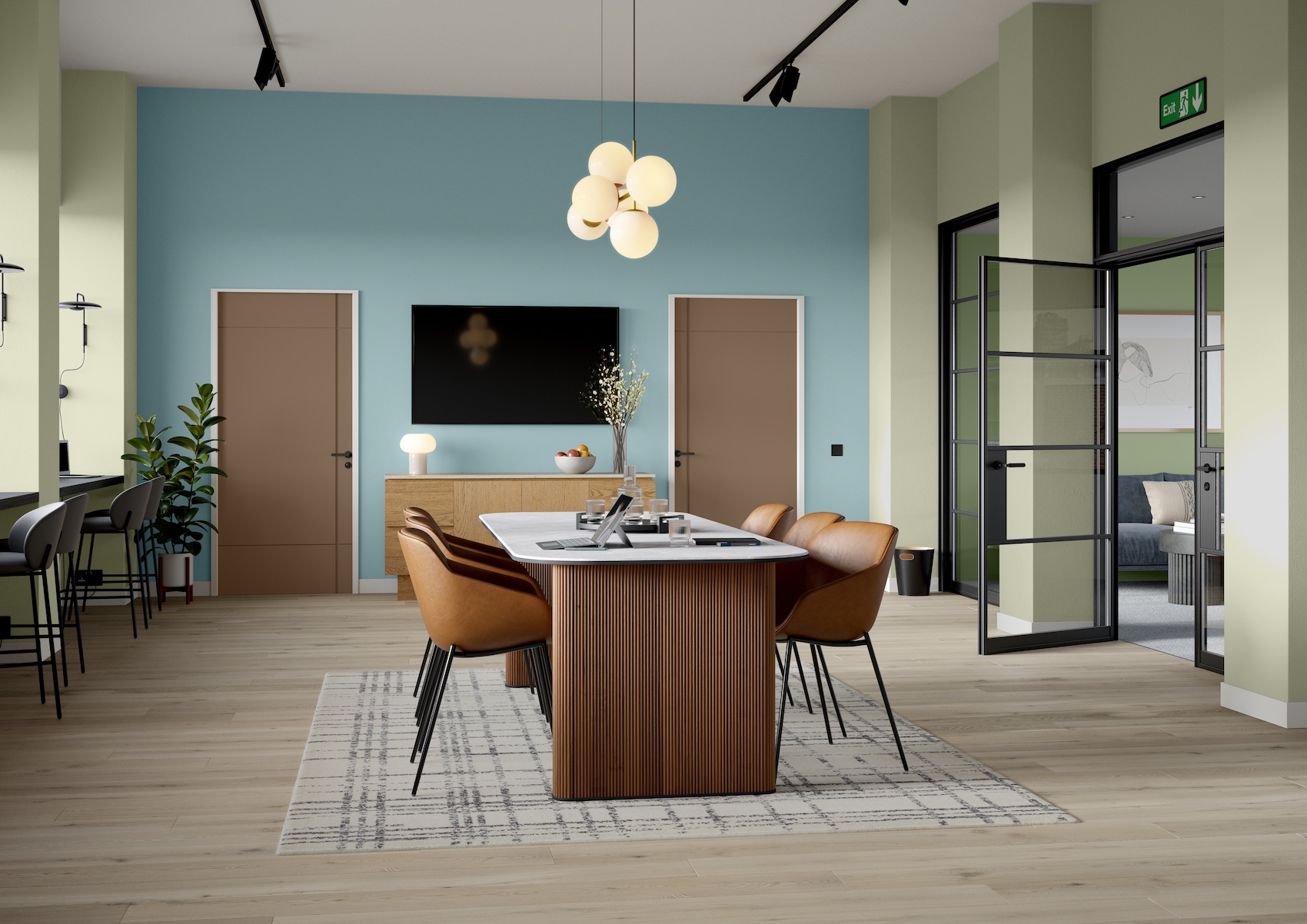
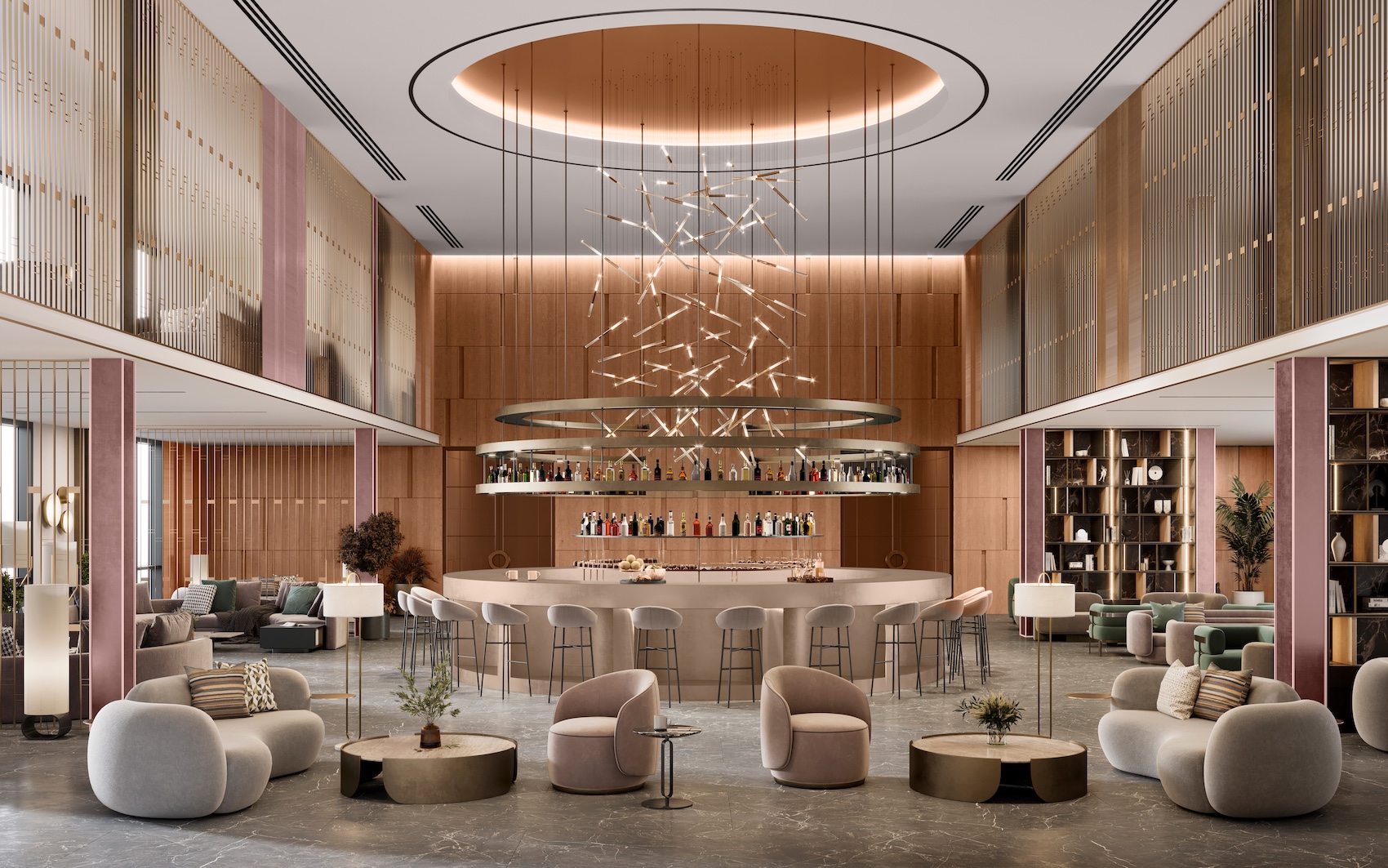




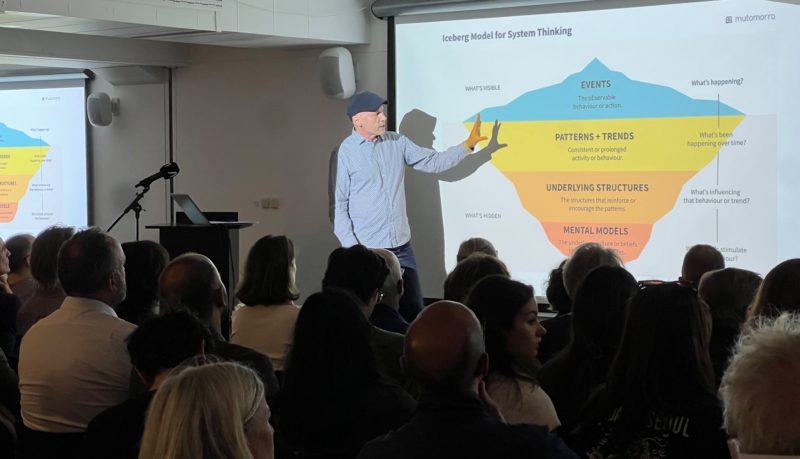
Pathways for a regenerative future
Founder of Exploration Architecture, Michael Pawlyn explored how biomimicry, systems thinking and a fundamental shift in our relationship with nature could transform architecture and help create a regenerative future, in a keynote at Regenerative Design 2026.
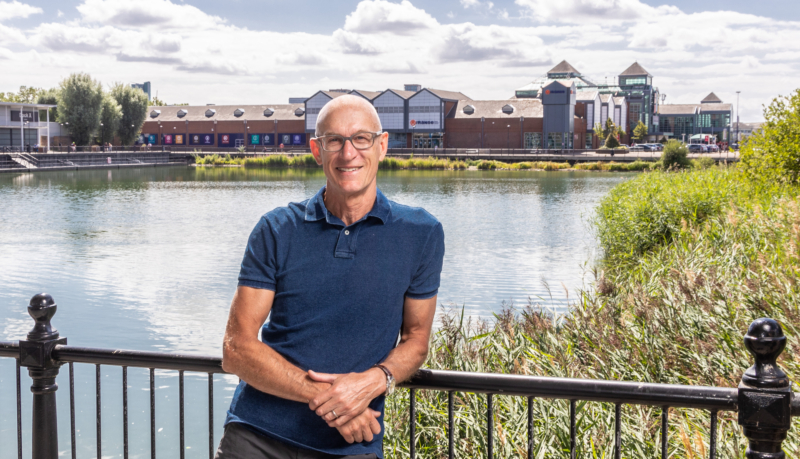
Join Roger Madelin of British Land at Regenerative Design 2026
Roger Madelin of British Land joins the line-up for the Help the Client seminar, delivered in partnership with HDR on the morning of Tuesday 27th October at the Building Centre in central London as part of Regenerative Design 2026.
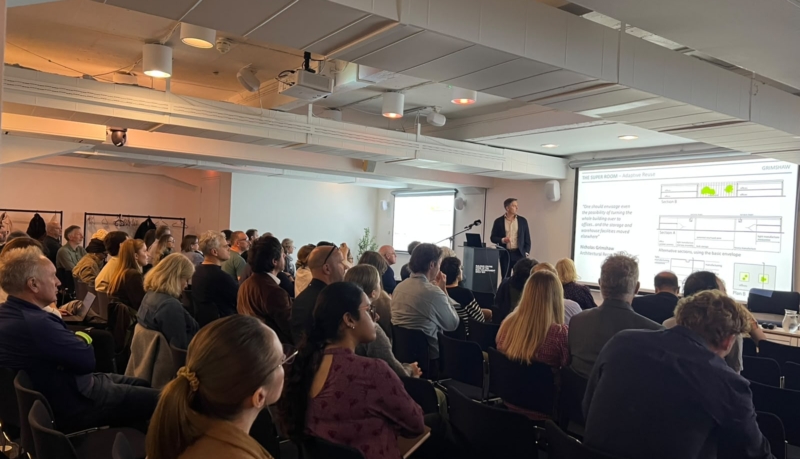
Whole life carbon and adaptive reuse
A Regenerative Design 2026 seminar, delivered by AT in partnership with Max Fordham and HLM Architects, explored the carbon, commercial and social benefits of adaptive reuse, and how to overcome barriers to retaining existing buildings.
in partnership with AccuRoof (formerly SIG Design and Technology)
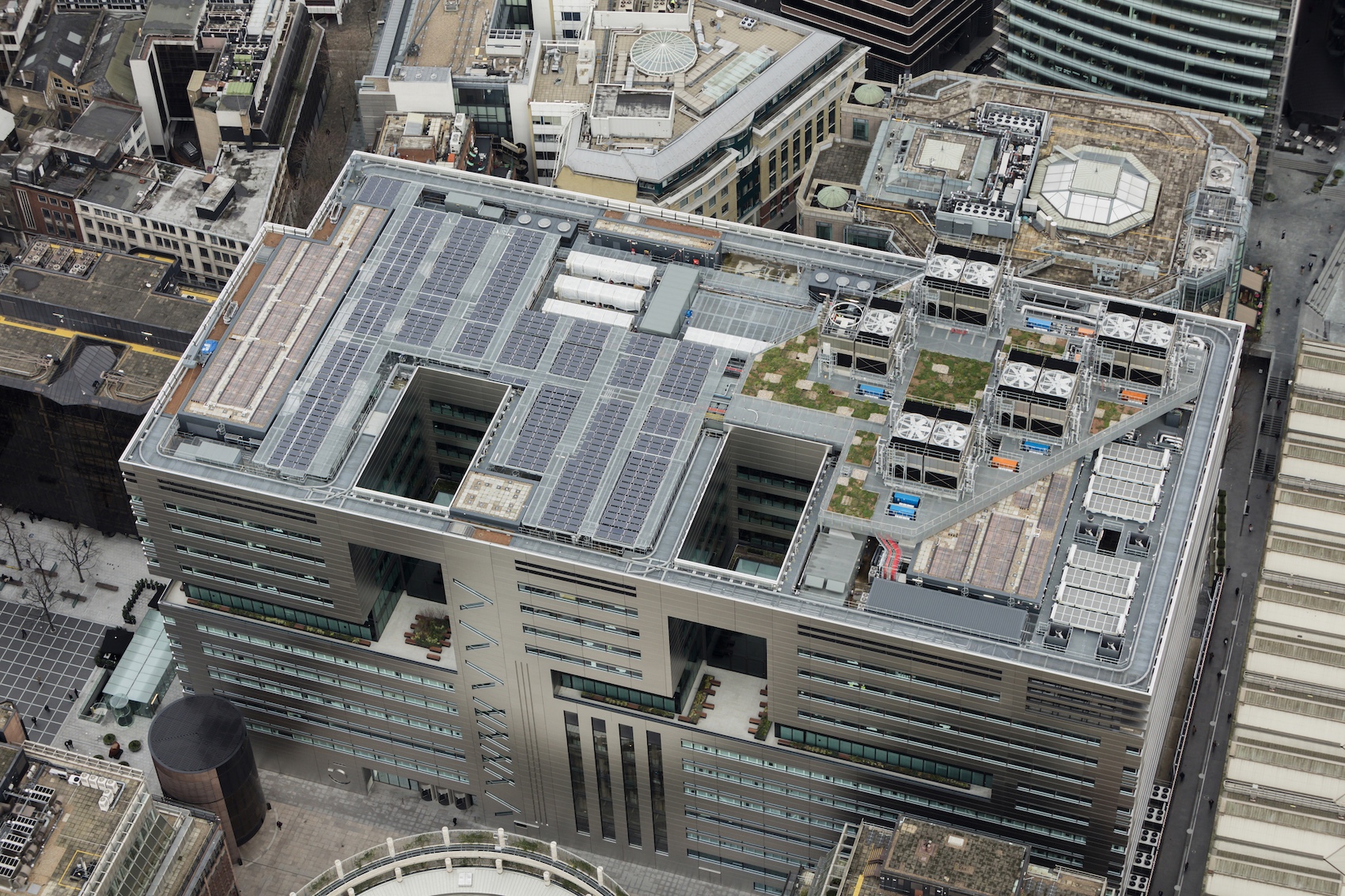
From concept to structure
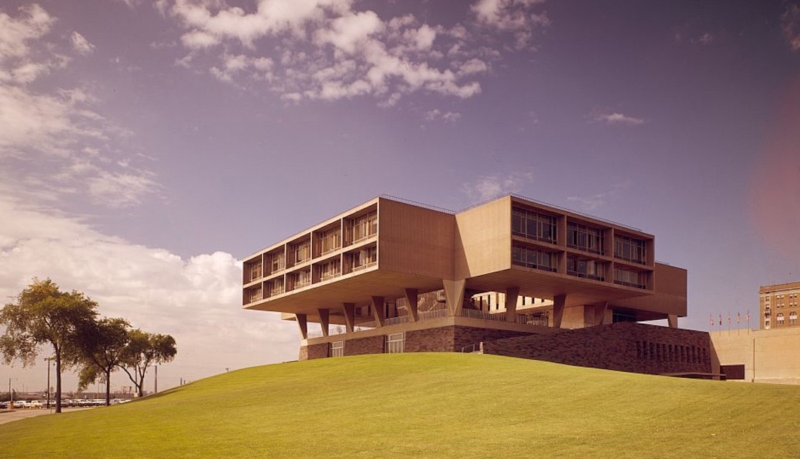
IStructE explores the pioneering work of structural engineer Frank Newby through David Yeomans’ new book, Structural Design for Architecture: The Work of Frank Newby.
Designing for acoustic comfort
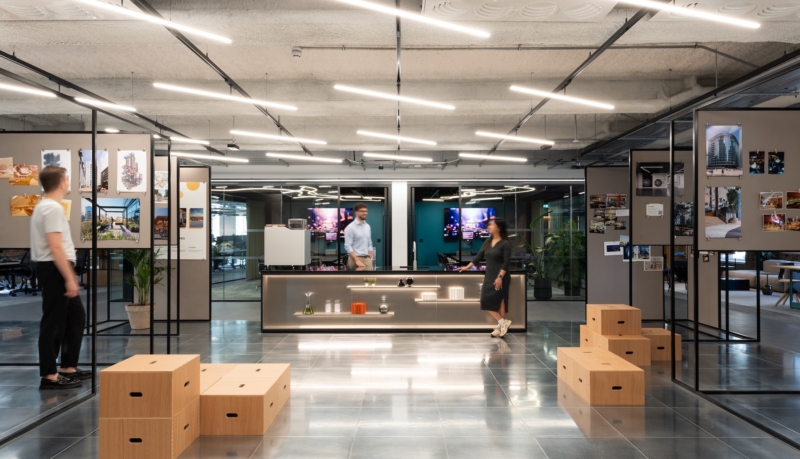
New research from Oscar Acoustics reveals why acoustic performance is often considered too late and how earlier intervention can improve building design and occupant wellbeing.
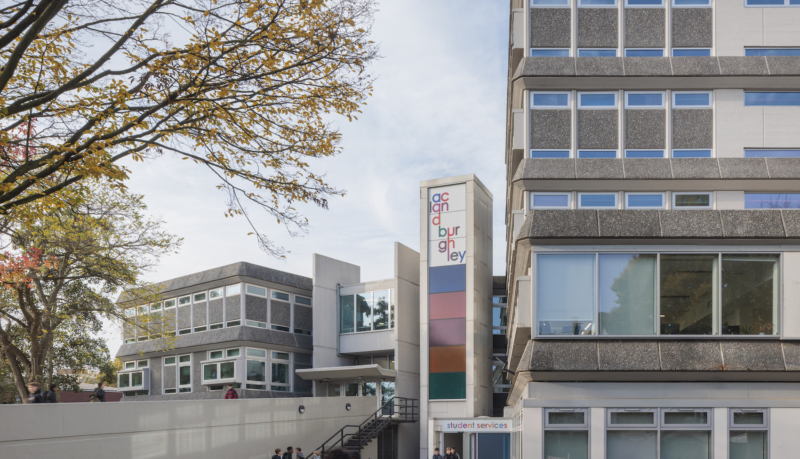
AT Webinar: Future-proofing education estates – smarter strategies for new build and retrofit
Join us on Tuesday 17 November at 10am to learn how architects, clients and project teams can develop smarter long-term strategies for education estates, to create buildings that remain adaptable, efficient and fit for purpose over decades.
Spotlight on products in use
in partnership with manufacturers
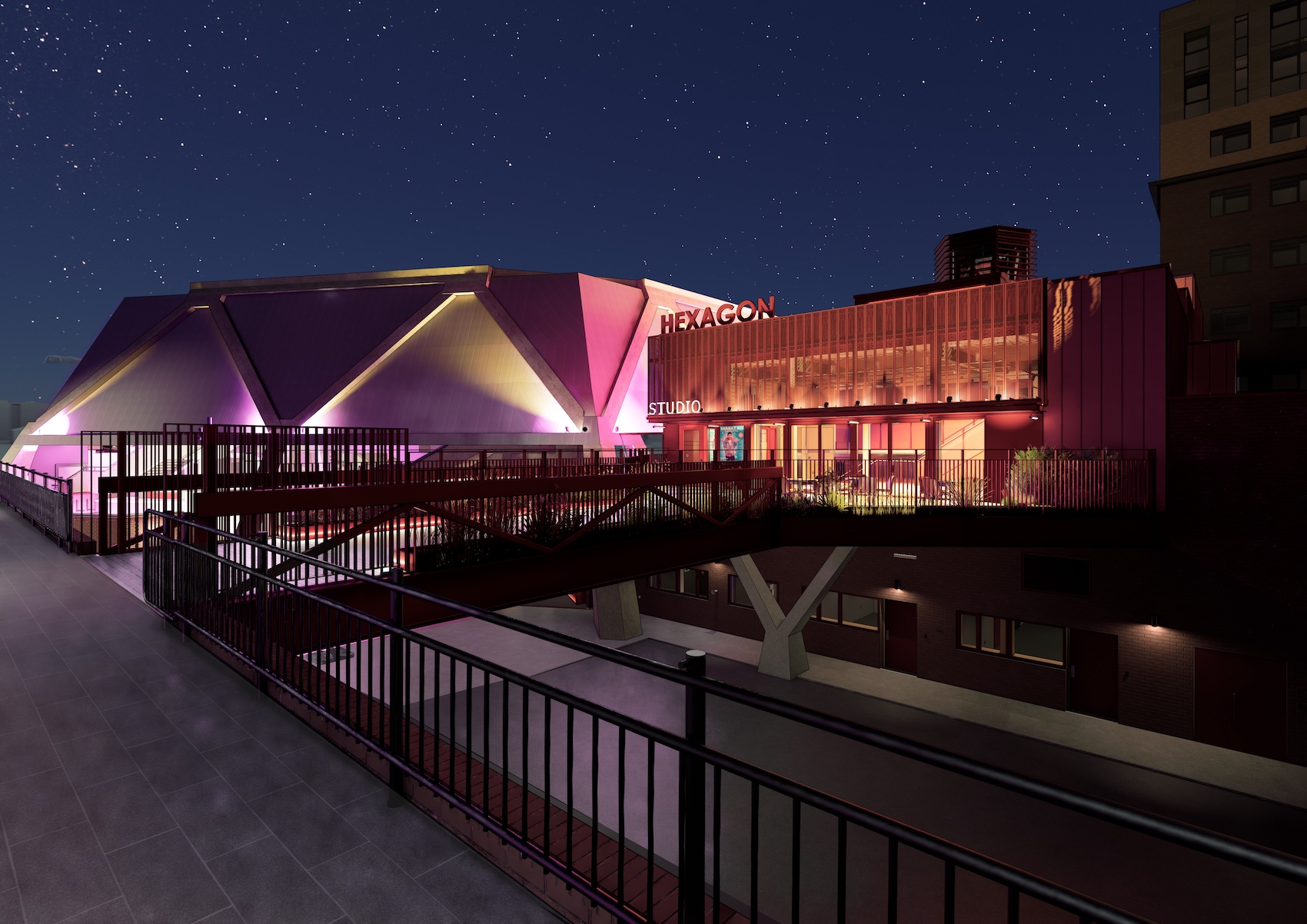
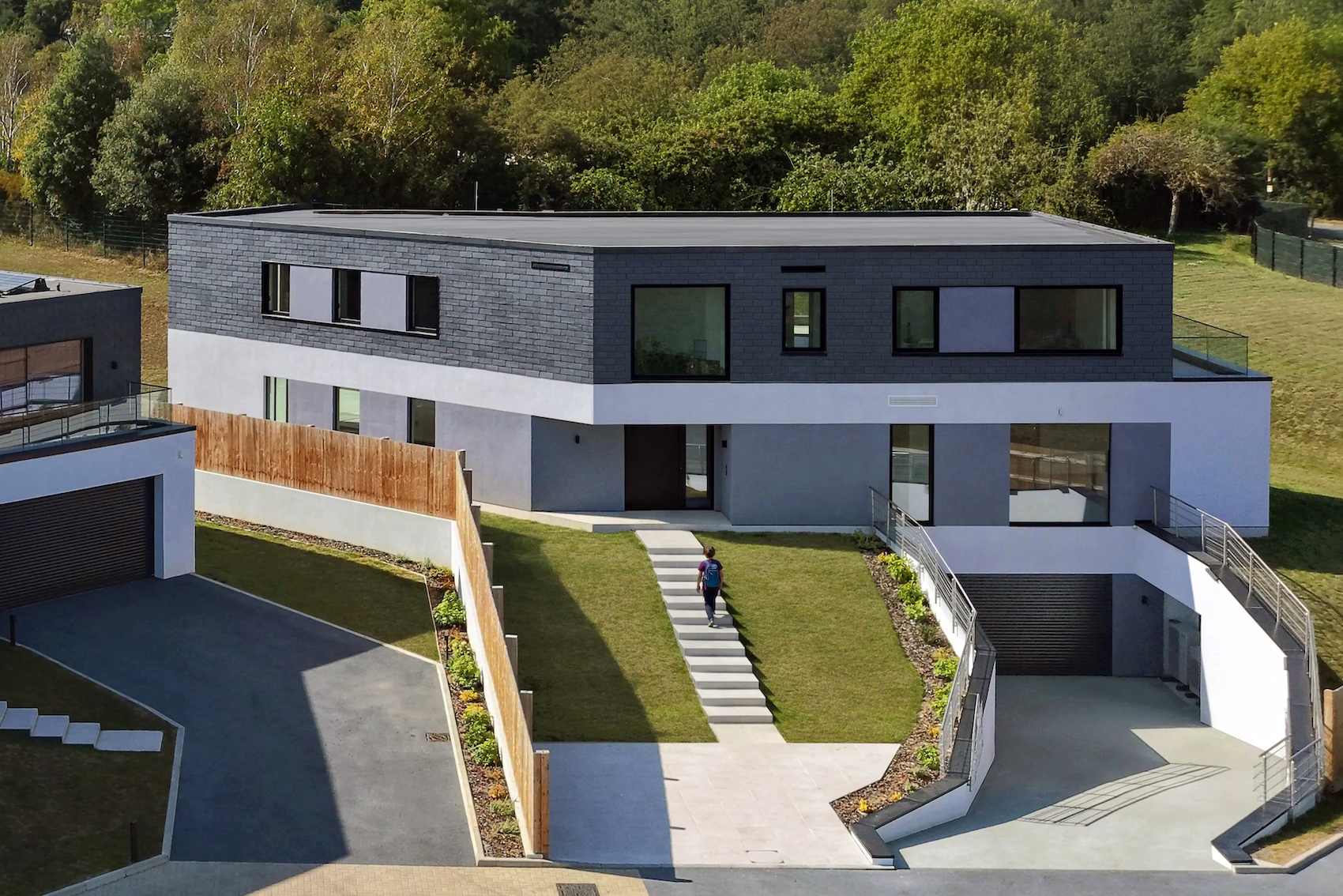
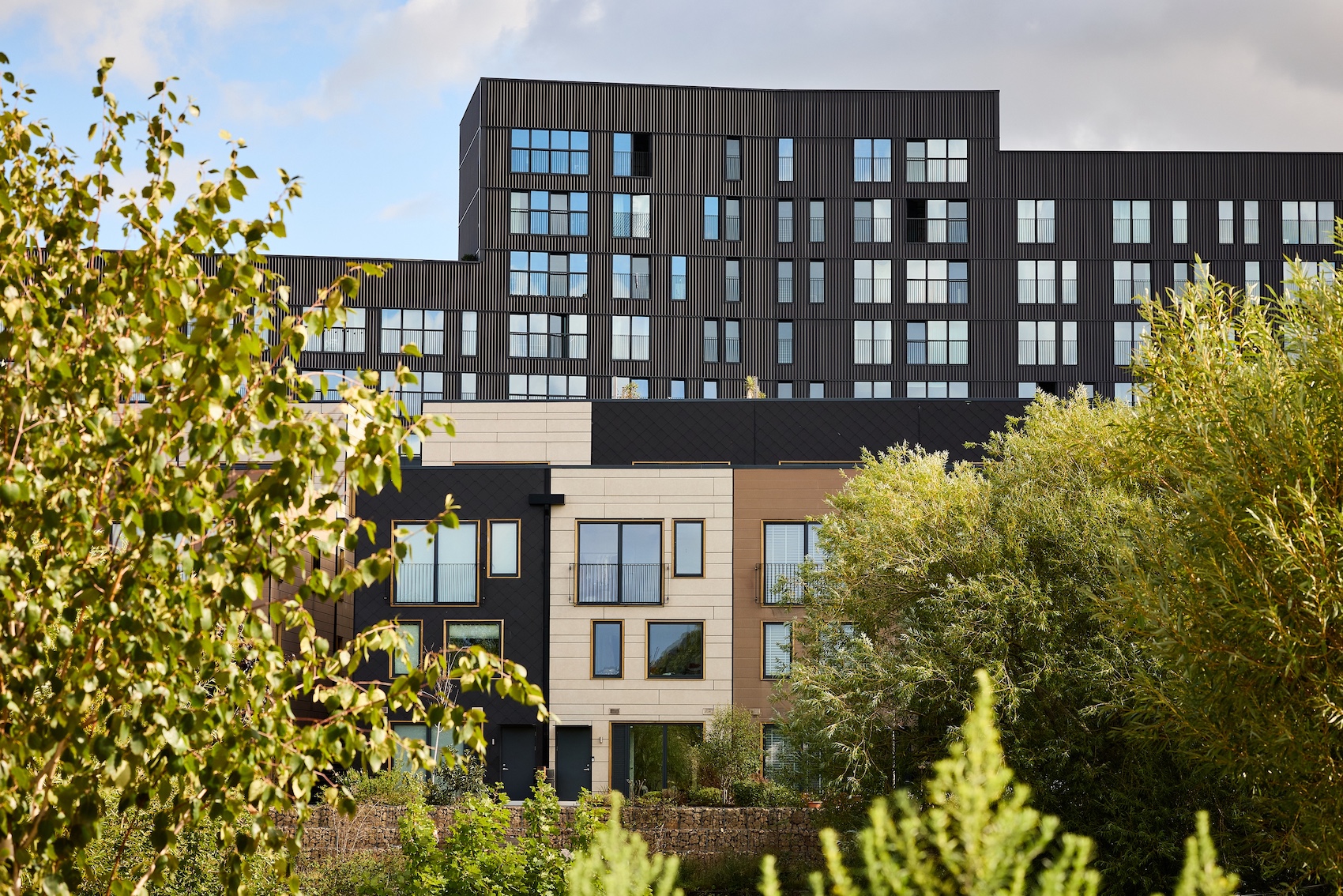


AT Webinar: Façades for the long term – refurbishment, maintenance and circularity
Join us on Tuesday 10 November at 10am to hear architects, façade specialists and suppliers discuss the practical challenges and opportunities involved in extending the life of building envelopes.
Guerrilla Shading Pavilion
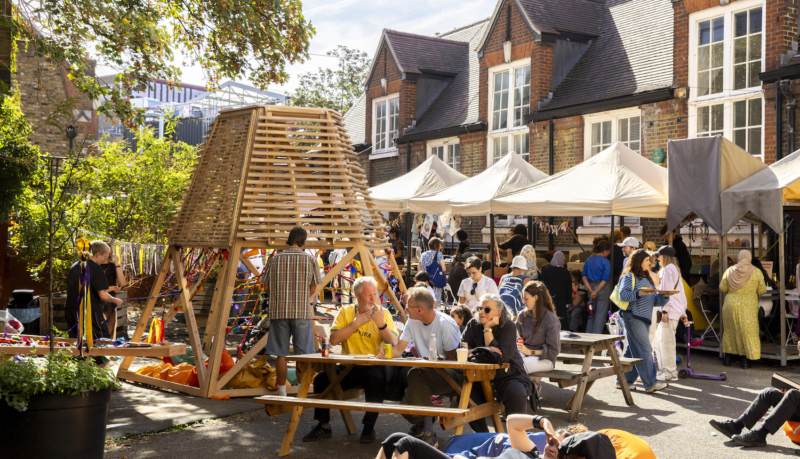
PEARCE+’s demountable timber pavilion for Camden Inspire explores how reclaimed materials, collective making and simple shading strategies can help communities respond to increasingly hot urban environments.
Norham Gardens
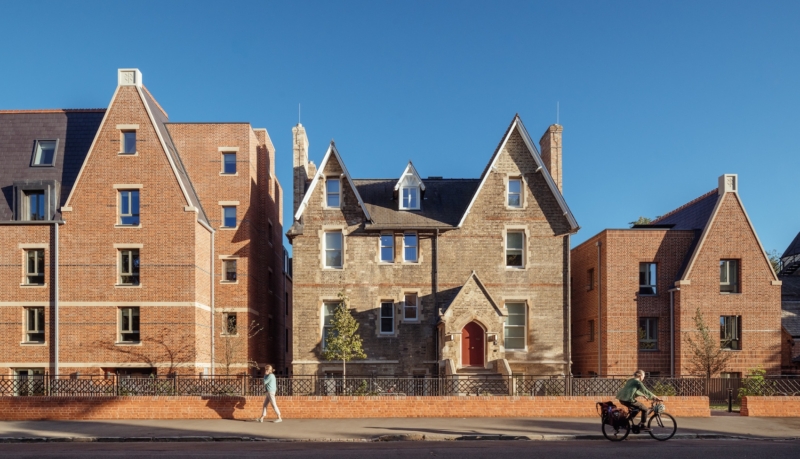
Wright & Wright Architects has completed a Passivhaus student housing development for St Edmund Hall, combining new CLT buildings with the low-energy retrofit of a Victorian villa in North Oxford’s conservation area.
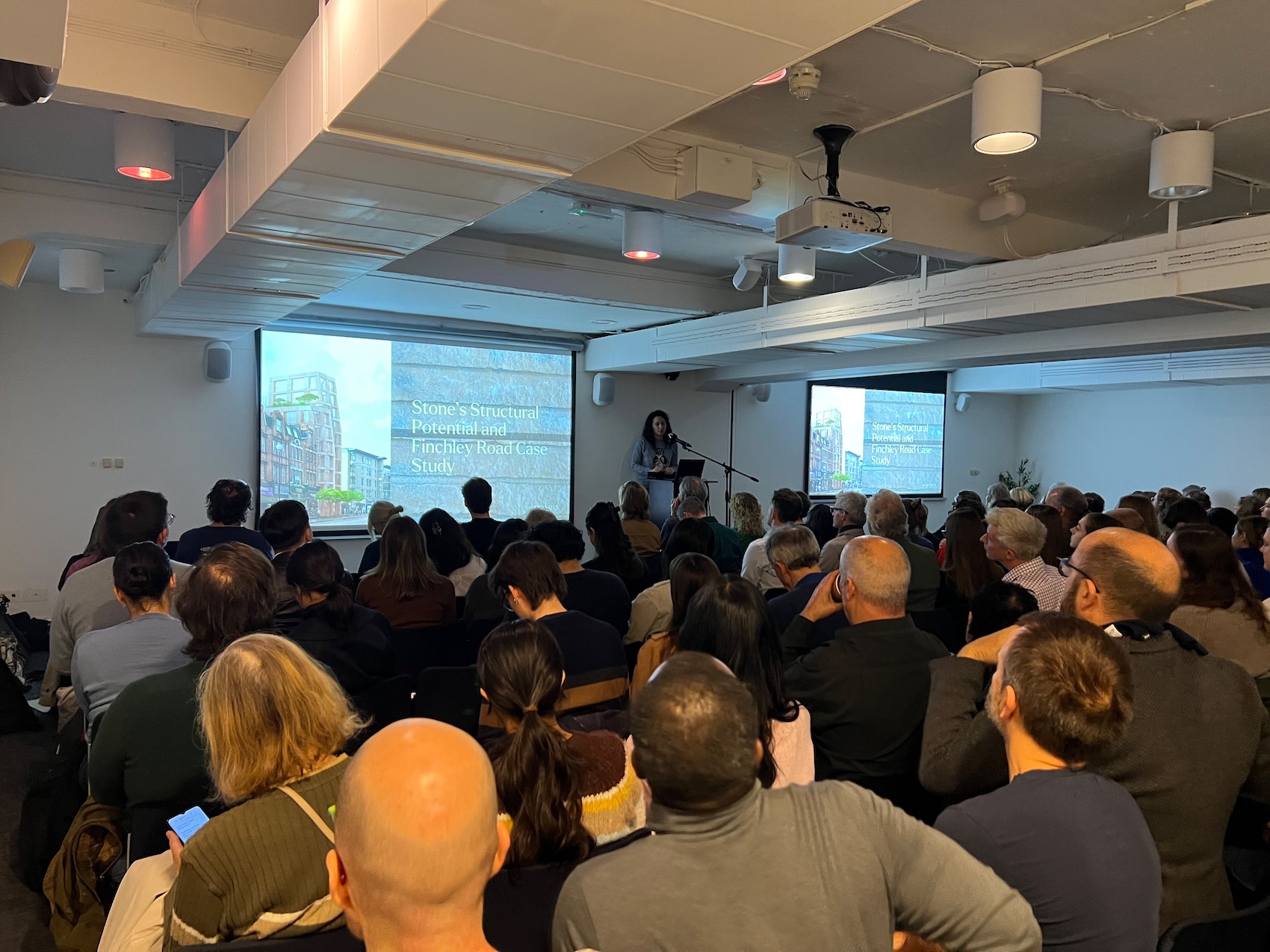
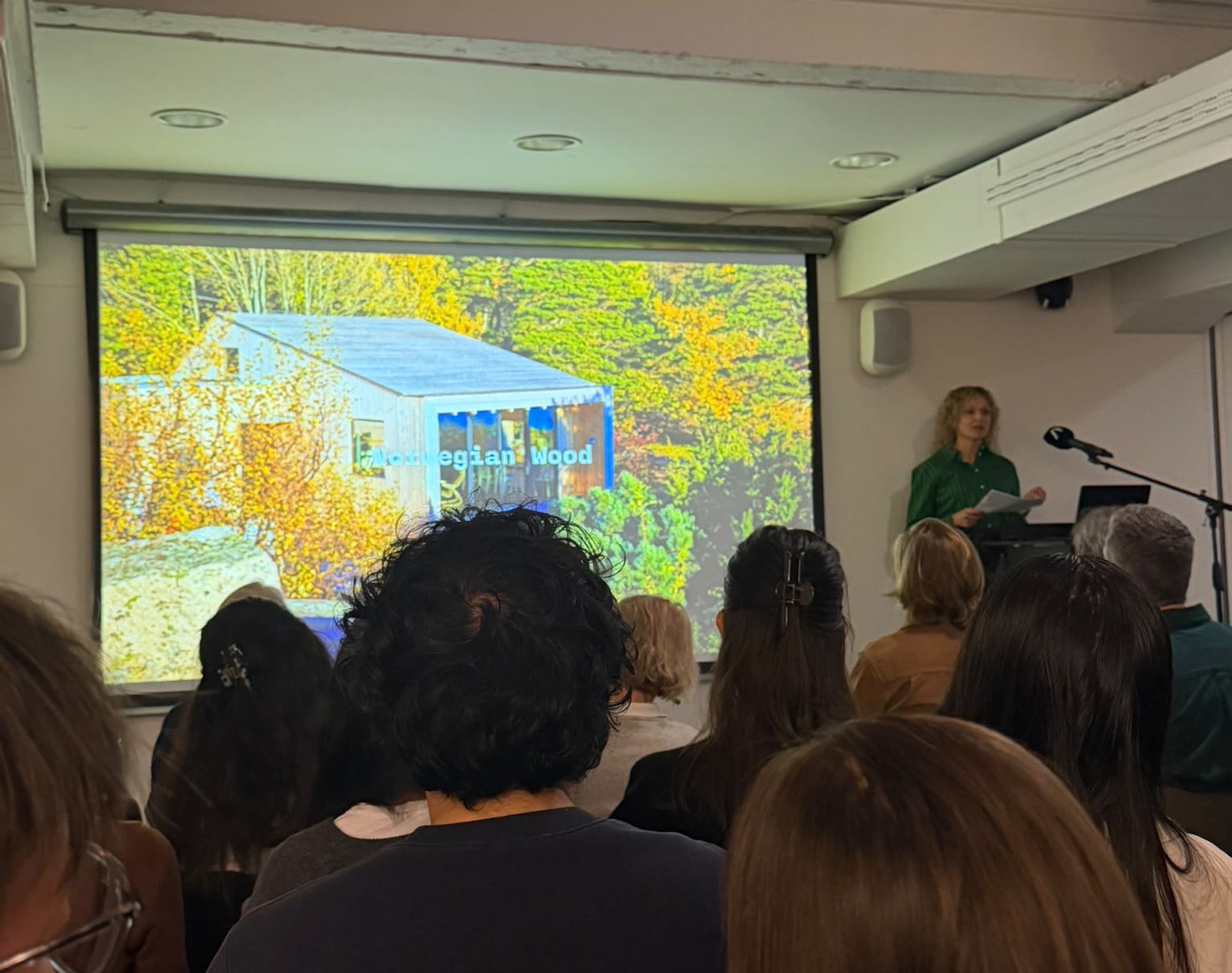
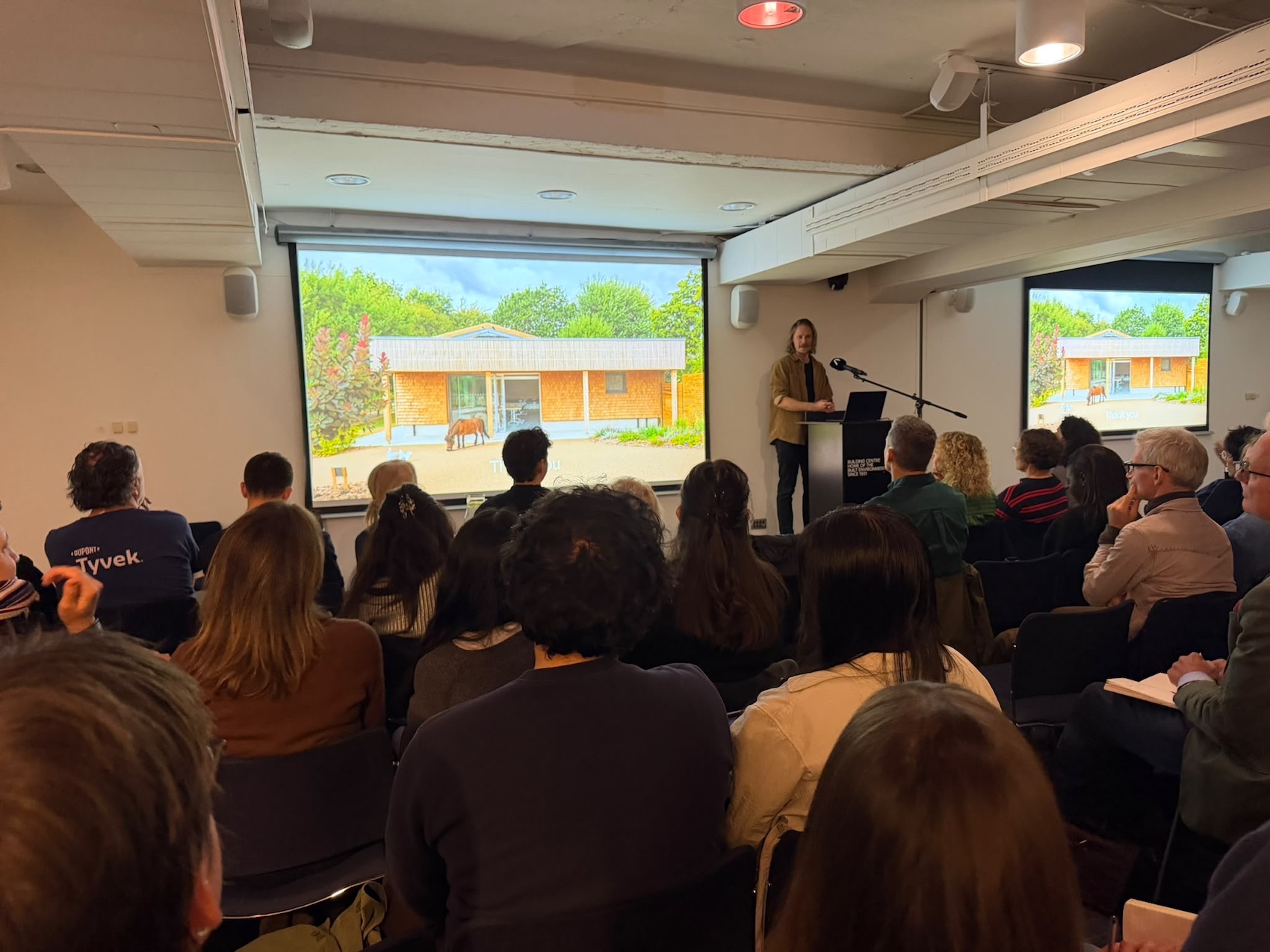

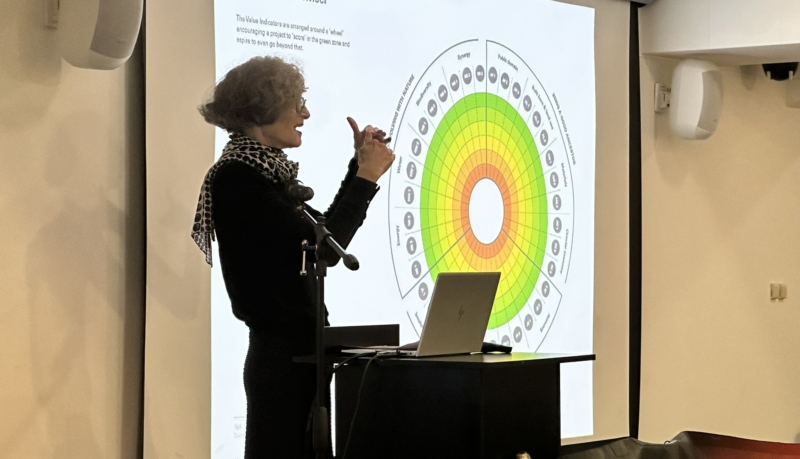
UK Architects Declare launches new Regenerative Design Primer at RD26
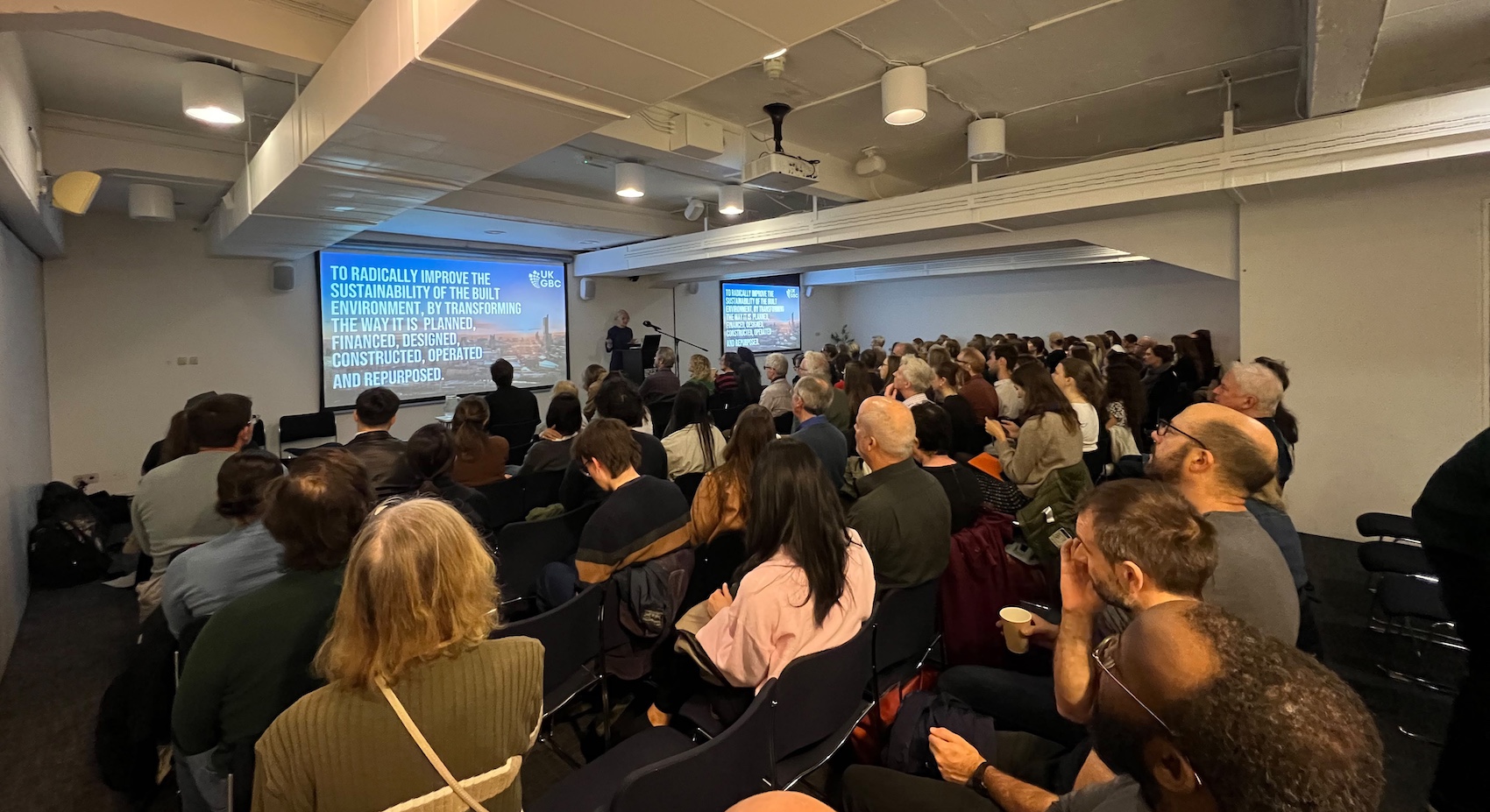
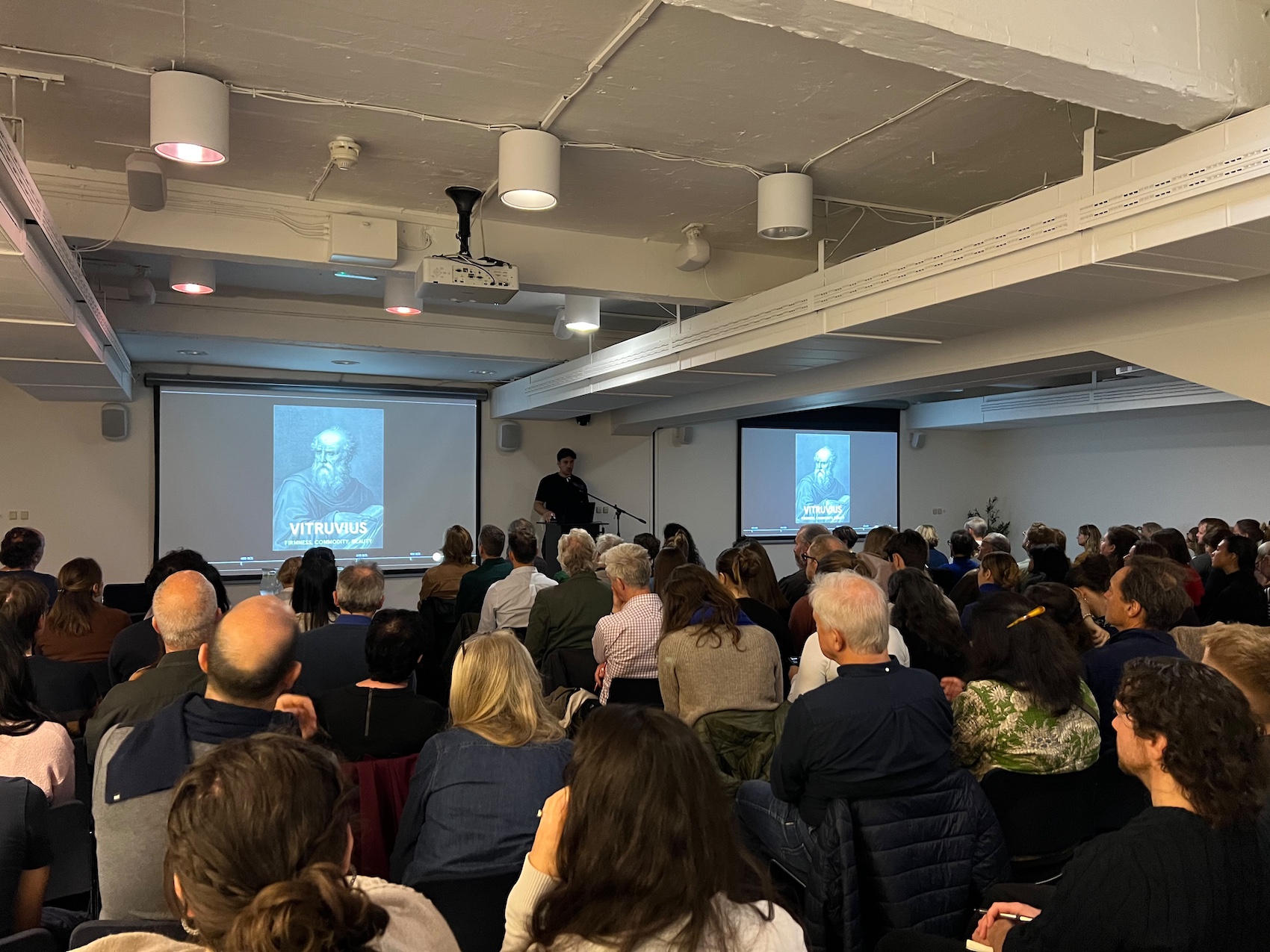
The launch of the newly revised Regenerative Design chapter of the UK Architects Declare Practice Guide took place at the opening week of Regenerative Design 2026 at the Building Centre.
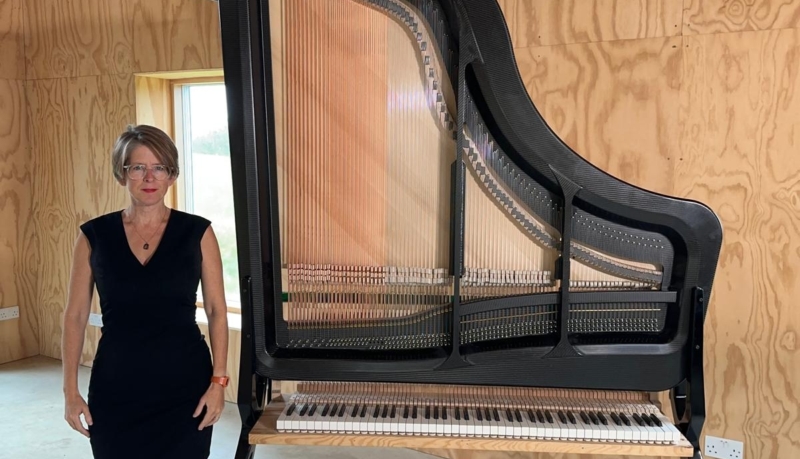
A concert pianist, a conceptual artist and an engineer
Barnaby Steel of experiential art collective Marshmallow Laser Feast and concert pianist Sarah Nicolls will join engineer Neil Thomas of Atelier One at Tree Stories (and some grass), a Regenerative Design 2026 event on the evening of Wednesday October 21st.
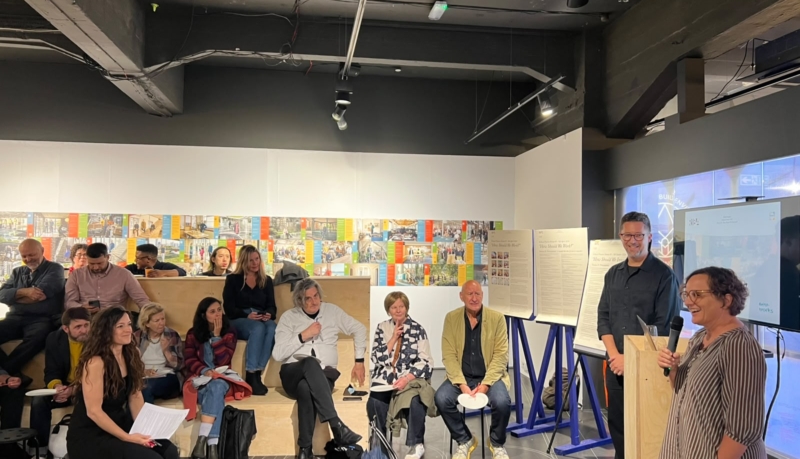
RIBA London innovation forum explores the ethics of architectural practice
The third RIBA London Ethical Practice Forum brought built environment professionals together at Regenerative Design 2026 to explore how innovation can help renew architectural practice.